NextHealth

Author: makenastro

  • From Burnout to Balance: My Wellness Reset

    From Burnout to Balance: My Wellness Reset

    Have you ever been on a workout streak, then go on vacation or take a weekend off, and suddenly it feels impossible to get back into it? Yeah, same. The motivation dies down, and I’m out of my routine, but my Apple watch has helped me break this habit when I stop because it keeps reminding me of “almost there” and “time to stand,” which has motivated me. 

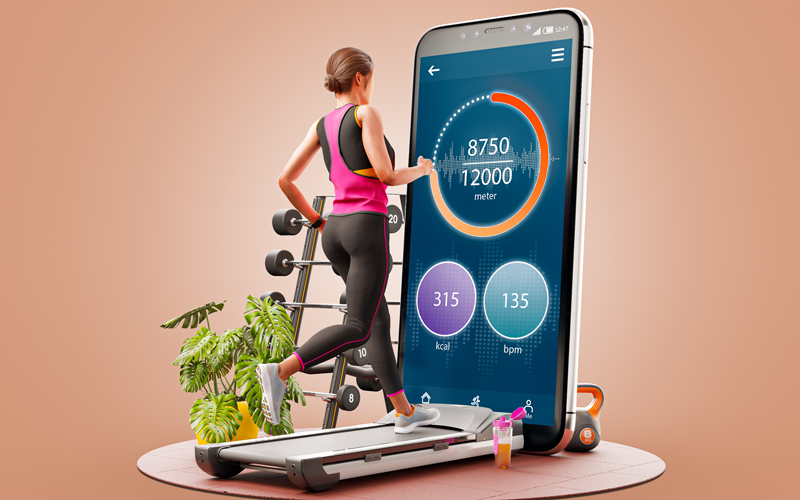
    Getting my steps in used to feel like a chore, especially on the days I didn’t wear my Apple Watch. I’d move around, but I had no idea how much or how little, making it harder to stay motivated. But once I started wearing it consistently, something shifted. I wasn’t obsessing over hitting a crazy number like 15,000 steps I just started noticing what was realistic for me. Now, I actually look forward to checking my progress. It’s like a little end-of-day surprise: how far did I go today?

    Tracking my steps has helped me feel more proud of my movement,  whether I crushed a long walk or just got in some light activity. It reminds me that every bit counts and that consistency beats perfection every time. It’s not just about steps, either. My watch tracks things like heart rate and even my “calm” levels  and while I don’t live or die by the numbers, it gives me a gentle sense of awareness. It’s helped me tune in and not stress out. I’ll notice when I’m tense and maybe take a few deep breaths, or when my heart rate is higher and I know I need rest. Weirdly enough, it’s made me less anxious about movement. Instead of feeling like I have to work out hard every day, I’ve gotten better at recognizing when a walk is enough. Or when rest is what my body actually needs.

    Some Tips for others:

    Start with curiosity, not pressure. Don’t worry about hitting a massive goal, just wear your watch (or use your phone) and see how much you naturally move.

    Celebrate small wins. Did you hit your stand goal? Go for a 10-minute walk? That counts.

    Use movement to feel good…not guilty. Your body doesn’t care if it’s 3,000 or 13,000 steps. Just move in a way that feels doable that day.

    Create a ritual around checking your stats. I love looking at my steps right before bed, it’s become a little reflection moment that motivates me for tomorrow.

    Pair walks with something fun. A good playlist, a favorite podcast, or even a walk-and-talk phone call with a friend can turn movement into something you look forward to.

    At the end of the day, it’s not about perfection. It’s about awareness, consistency, and showing up for yourself in small ways. My Apple Watch didn’t change my life overnight, but it helped me reconnect with my body, my routine, and what movement means to me. And honestly? That’s been the biggest win.
  • Chatbots, Care, and Connection: The Rise of AI Therapy

    Chatbots, Care, and Connection: The Rise of AI Therapy

    Somethign that has intrigued me since AI has gained popularity and mass spread through idnustrys is its effect on counseling. Therapy is a very personal thing and we know that AI is not close to being human any time soon so my question is how is AI doing in the therapy and mental health industry. 

    Facts:

    • A new clinical trial out of Dartmouth found that a generative AI therapy chatbot called “Therabot” led to major improvements in symptoms of depression, anxiety, and even eating disorders. People with depression saw a 51% drop in symptoms, and those with anxiety saw a 31% reduction. This suggests that AI therapy could be just as effective as traditional outpatient therapy especially for people who don’t have easy access to in-person care.
    • According to NPR, new research shows that with the right training, AI bots can actually deliver mental health therapy just as effectively if not more so than human therapists in certain situations. It’s a pretty big shift in how we think about care, especially when access is limited or waitlists are long.


    Thoughts:

    The idea that AI is able to actually help people with personal and emotional issues is pretty incredible and honestly, a little nerve-racking. On one hand, it opens up huge opportunities for people who struggle to access traditional mental health support due to cost, stigma, or limited availability. Tools like AI-powered therapy chatbots can offer immediate, judgment-free conversations and even mimic therapeutic techniques that help people feel heard and supported.

    But at the same time, it’s hard not to wonder about the emotional depth that AI can actually offer. Can a bot truly understand the complexity of human emotion? Can it pick up on subtle cues, or know when to push and when to pause? There’s also the question of data privacy sharing something so personal with a machine isn’t exactly an easy leap.

    This is exciting but it also forces us to think more critically about how we define care, connection, and trust in a digital world. AI doesn’t replace human therapists, but if used carefully, it might just expand what access and support can look like.

    Heading Into The Future:

    The National Library of Medicine put out a narrative review which emphasized that AI chatbots can identify mental health issues and deliver evidence-based therapeutic techniques, making support more accessible and personalized. 

    AI therapy tools many of which are built on evidence-based approaches like CBT are starting to show real potential as a supplement to traditional mental health care. One of the biggest advantages? They’re available 24/7 and can scale way more easily than human therapists, which could seriously help with the current shortage of mental health professionals.

    That said, AI isn’t here to replace therapists. But interestingly, studies are finding that people can still build a sense of connection, or what’s called a “therapeutic alliance,” with these tools. As AI continues to improve, it’s likely we’ll see it integrated into treatment plans alongside in-person or virtual therapy, not as a replacement, but as another layer of support.

    Sources:

    https://ai.nejm.org/doi/full/10.1056/AIoa2400802

    https://www.npr.org/sections/shots-health-news/2025/04/07/nx-s1-5351312/artificial-intelligence-mental-health-therapy

    https://pmc.ncbi.nlm.nih.gov/articles/PMC10982476/

  • The Power of Infographics

    The Power of Infographics

    AI is being implemented into many different industries such as the health world, business, and education. Information being spread about these implementations should be talked about with accuracy which is why many are turning to infographics. These infographics help explain many statistics to the public as well as general facts. 

    The first infographic I found was from FPF which shows what AI is doing in education and how it is interacting with students and being used in the school systems. 

    Smart Use of Color

    The designers use color not just for style, but for meaning. For example:

    • Green highlights areas related to machine learning and data science—a subtle nod to innovation and growth.
    • Blue represents foundational topics like ethics, transparency, and logic.
    • Warm tones like orange and red are reserved for older, symbolic AI systems, signaling contrast with newer generative technologies.

    Clear Visual One of the first things I noticed is how organized everything feels. The content flows naturally from top to bottom and left to right, starting with broad AI categories and narrowing down to specific applications like student monitoring and school security.

    Each section is grouped and labeled in a way that guides your eye. You don’t have to guess where to start or what comes next. 

    ReadableThe fonts are clean and modern, with clear differences in size and weight to signal what’s a heading, what’s a label, and what’s body text. 

    Balance Between Text and Visuals Every section includes an icon or visual to support the information—no big blocks of text or overwhelming data dumps.  This balance keeps the viewer engaged and helps turn abstract concepts into something you can see. 

    A Clear Narrative Even though this is a dense topic, the infographic tells a story. It starts by establishing what AI is and the different forms it takes. Then it moves into how those forms show up in schools—from grading systems to tutoring programs and campus security.

    This infographic is a strong example of how design can make information stick. It educates without overwhelming, persuades through clarity, and uses visuals to bring abstract ideas to life. I definitely will be using similar techniques in my own infographic designs such as the readability and flow and narrative of it. 

    This next infographic is from Civic Science on people’s relationships with AI.

    The first photo shows how ChatGPT awareness has grown since 2022, while the second focuses on rising concerns around AI, especially after a deepfake scandal.

    Visual hierarchy and organization are a big part of why they work. Each one starts with a bold headline and short explanation, making the point clear before you even look at the data. The charts are clean, linear, and easy to scan.

    Color is used with purpose: each line or bar color is distinct and consistent across years. The dark background also makes the colors pop and helps guide the eye.

    Readability is simple and direct. Headers are bold and high contrast, while labels and percentages are easy to read without distraction.There’s a solid balance of text and visuals, with short, punchy copy that supports the data without overexplaining.

    This infographic tell a story but also adresse concerns. Both of these infographics d a good job at relaying information to the audience in different visual ways. The question for you is which is more effective.

    Sources:

  • Unplugging and Unwinding

    Unplugging and Unwinding

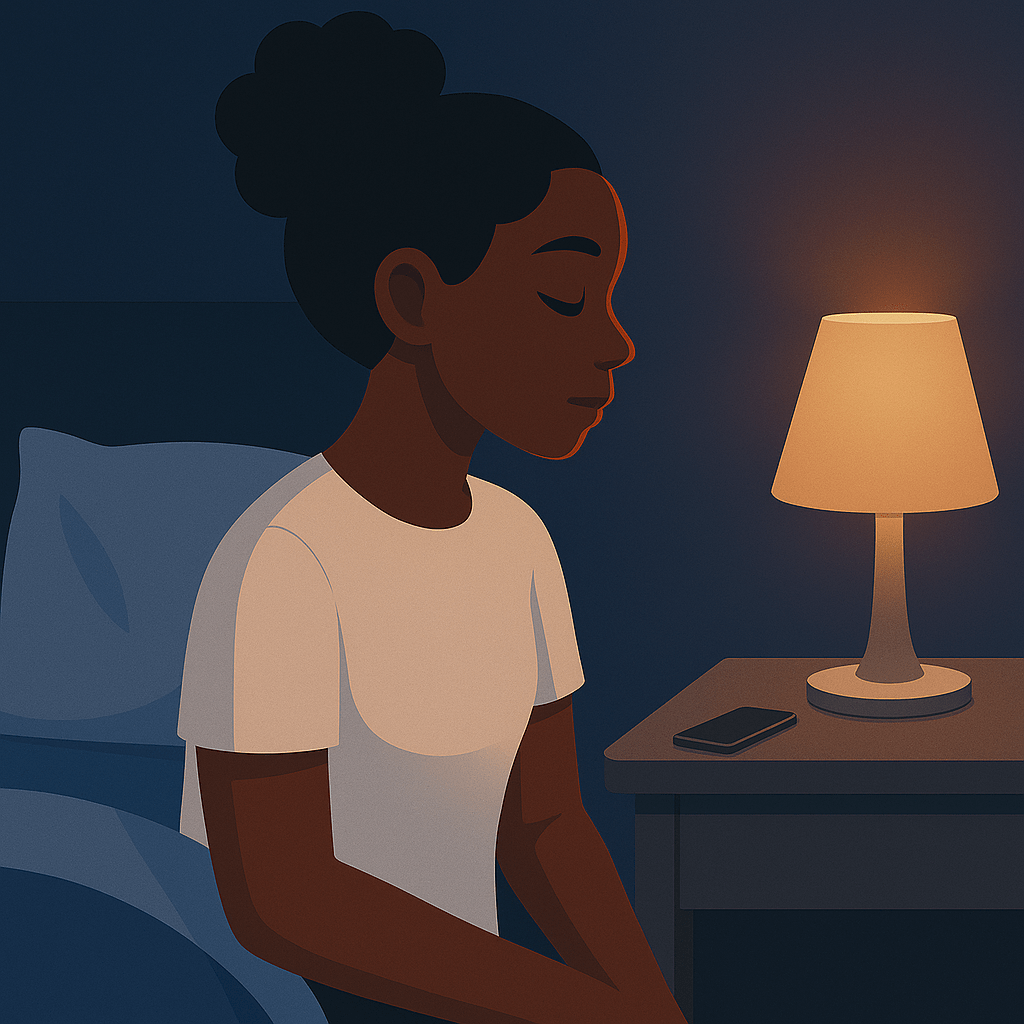
    Most of us are probably ending our nights with a scroll. Maybe it’s TikTok, answering “one last” text, or watching a show until Netflix asks if we’re still there. No judgment, I’ve totally been there. But recently, I’ve been thinking more about how much that habit messes with my sleep and how I feel at bedtime.

    We always hear about “blue light” being bad before bed, but I think there’s more to it. It’s not just the light from the screen it’s the fact that our brains are still going. There’s always one more post, message, and thing to think about. And suddenly, it’s midnight, and you’re still not sleepy.

    Lately, I’ve been trying to practice what people call “digital sleep hygiene.” Basically, it’s the idea that your relationship with tech directly impacts your sleep and you can set better boundaries with it to wind down more naturally. I’m not perfect at it, but here are a few small things that have actually helped me:

    1. Not having my phone is the last thing I see before I close my eyes.

    It’s definitely hard, especially when watching a show in bed, scrolling, or even doing homework right before you clock out. But in the long run, reading a book or even doing yoga and meditating has helped me get to bed faster. 

         2. Physical Books Before Bed

    I love the book app on my phone. It is so easy to use, and I can’t take it with me anywhere…planes, the lake, and read in the comfort of my own bed. I started noticing my eye strain and even getting tired too soon in the day. I try to balance my online reading and physical copies as much as I can, but I definitely prioritize a physical copy for before sleeping 

         3. Giving my brain quiet time. 

    For everyone this can mean different things but for me this meant no music when showering or studying once in awhile and no white noise when falling asleep. 

    We always hear about blue light and wear blue light glasses, especially at night while on our phones. Screens like our phones, tablets, and laptops give off short-wavelength, blue light which is similar to what we get from the morning sun. So when we are all scrolling or watching our shows at 10 p.m., our body gets tricked into thinking it’s daytime. Another crazy thing is that this blue light actually suppresses melatonin, which is why we may toss and turn or make it hard for us to stay asleep at times. Making some distance from ourselves and our phones and laptops at night is so worth it and is something I think should be talked about more. 

    Sources:

    https://pmc.ncbi.nlm.nih.gov/articles/PMC8466496/

  • Wearables Are Finally Catching Up to Women’s Health

    Wearables Are Finally Catching Up to Women’s Health

    The Rise of Smarter Wellness

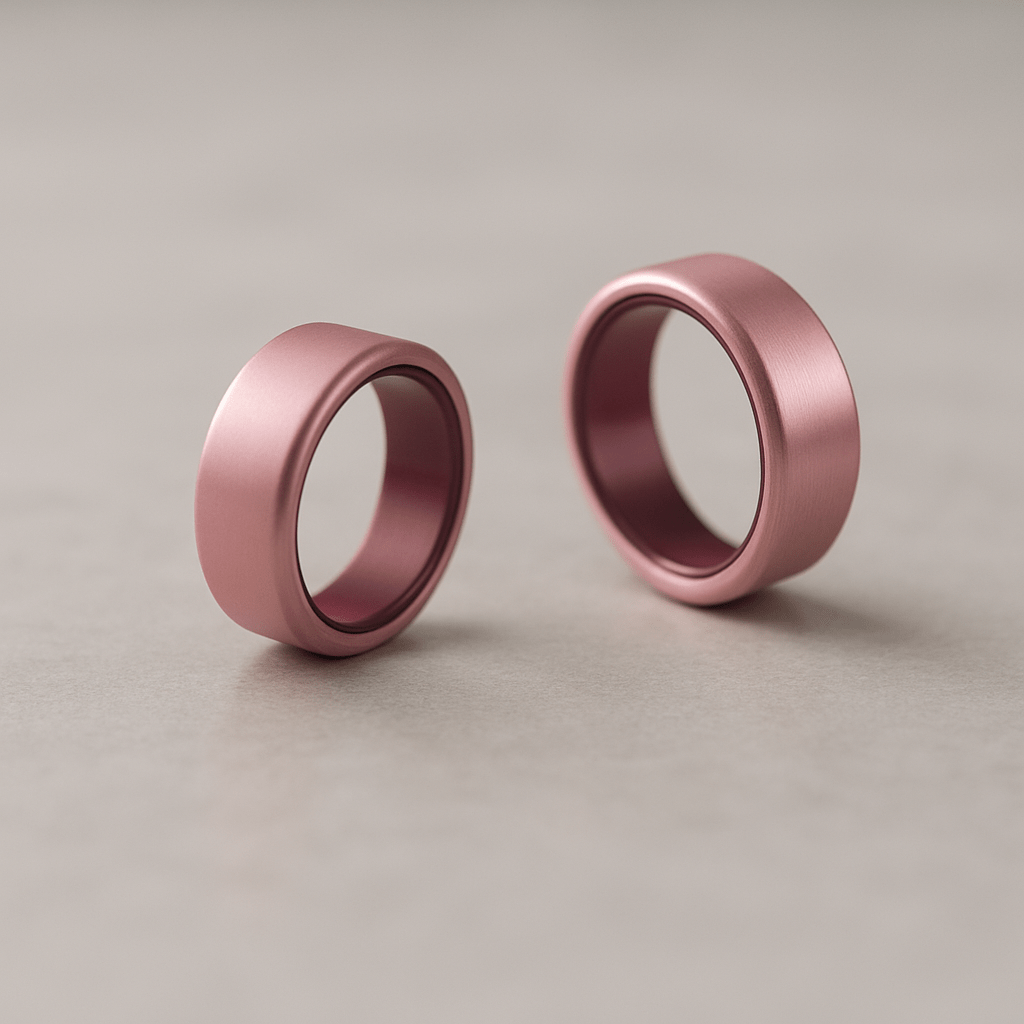
    As new technologies are coming out, new ways of tracking specific health regulations are happening. The Ourag Ring Generation 3 has just that technology that has blown me away. It’s not a bulky smartwatch or anything super flashy just a simple, minimal ring that tracks things like your sleep, heart rate, and body temperature. What makes it interesting to me is how focused it is on recovery and long-term health instead of just steps and workouts. It’s also one of the first wearables I’ve seen that tries to track menstrual cycles based on real data from your body, not just an app guessing dates.

    Internal sensors collect data like skin temperature and heart rate during sleep, and they have expanded their tracking into the menstrual cycle. Oura ring has an updated natural cycle tracking. This cycle tracking uses the feature of biometric data to detect cycle phases and predict periods. While you wear this ring as you’re sleeping, it picks up subtle shifts, leading the Oura ring to spot and predict cycle changes coming early or late.  

    Smarter and More Accurate Changes 

    Oura is constantly redefining its technology. In 2024, the company updated its algorithm with new results that are twice as accurate. These new accuracy updates are allowing for more reliable heads for tracking cycles. Oura has partnered with the Natural Cycles app, which is FDA-cleared for birth control. The combo of these two shows a 93% effectiveness for birth control. 

    Discover Oura's health, fitness, and sleep rings | Oura

    Another update Oura has recently done in March 2025 is an update to its Readiness Score algorithm to better look into physiological changes during the menstrual cycle. With the new update, this fluctuation in heart rate and body temperature will not negatively impact the Readiness Score. Now, the algorithm will adjust for these changes, resulting in. a more accurate basement for daily use.   

    Taking a Step Forward

    This trend for wearables addressing women’s health is so important, and I’m excited to see where technology will go for women, especially. Devices like Oura are helping women detect these vital signs for their cycle phases, understand our bodies in a deeper way, and predict when we need to pay more attention to our bodies. 

    I think the Oura Ring is a great tool. What I really like about it is that it’s pushing wellness tech in the right direction. Seeing a product that actually pays attention to cycle tracking and hormonal changes is so important — and honestly, long overdue. The fact that we’re now having more open conversations about technology and women’s health feels like a major step forward. This kind of research makes me feel hopeful, and I’m excited to see how other wearable tech companies continue to grow and take inspiration from each other. We’re finally moving toward a more inclusive and thoughtful future in wellness.

    Sources:

    https://www.naturalcycles.com/oura

    https://ouraring.com/how-it-works

    https://www.tomsguide.com/features/the-oura-ring-is-the-best-device-ive-tested-for-tracking-periods-heres-why

  • When Wellness Meets Responsibility: How Lululemon Is Shaping a Healthier Future

    When Wellness Meets Responsibility: How Lululemon Is Shaping a Healthier Future

    Lululemon like many other brands, are making moves in the world of corporate social responsibility (CSR). One of their biggest initiative is the Centre for Social Impact which was launched in 2021. The goal? To make wellness more accessible to everyone, not just the people who can afford premium athletic wear. The Centre for Social Impact is Lululemon’s way of tackling health inequities across different communities. They committed to investing $75 million by 2025 to support programs focused on physical, mental, and social well-being. Their focus areas include supporting underrepresented youth, promoting mindfulness, providing frontline workers with wellness resources, and even improving the well-being of workers in their global supply chain.

    They promoted the Centre for Social Impact, and  Lululemon took an innovative and layered communication approach. They used their annual Impact Reports to lay out precise numbers and goals for complete transparency. Lululemon also launched targeted press releases, used its social media platforms, and shared real stories from grant recipients and communities helped by its funding. They also partnered with big names like the Obama Foundation’s Girls Opportunity Alliance and The Trevor Project, which helped amplify their message and gave the campaign more credibility. So, was the messaging effective? I would say yes because of their storytelling approach, which felt more personal than a usual sales pitch. They also shared success stories, which showed how this campaign worked in real life and affected people. They also used mixed media, such as their social media, videos, and blogs, to reach a wide range of audiences.

    Image Source: Lululemon 2023 Impact Report

    This campaign fits into Lululemon’s brand perfectly. They’ve always marketed themselves as more than a fitness brand; it’s about a lifestyle rooted in mindfulness, movement, and community. By investing in social impact initiatives that promote mental health, inclusivity, and overall well-being, Lululemon proves that they practice what they preach. The Centre for Social Impact isn’t just about charity; it’s an extension of their belief that “wellbeing is a human right,” which ties directly back to their brand values.

    Image Source: Lululemon 2023 Impact Report

    Overall, Lululemon’s Centre for Social Impact is a strong example of how a wellness-focused company can use its platform to drive positive change that actually matters. It shows that CSR isn’t just about making donations to look good; it’s about building real, thoughtful programs that genuinely align with what the brand stands for, both inside and outside of marketing campaigns. It’s about creating meaningful opportunities for people to improve their lives, regardless of where they come from. Most importantly, it’s about making sure the impact is tangible, measurable, and felt directly by the communities that need it most, not just talked about in annual reports. Another great thing about strong CSR work like this is that it can encourage other brands, even ones outside the fitness world, to rethink their approach and start investing more seriously in the wellness of their consumers and future customers. This is a time when customers care more than ever about the values behind the brands they support. Companies that make social responsibility a real priority are setting themselves up for a stronger, more loyal relationship with their audiences and making the world a little better in the process.

    Sources:

    https://corporate.lululemon.com/~/media/Files/L/Lululemon/our-impact/reporting-and-disclosure/2023-lululemon-impact-report.pdf?utm_source=chatgpt.com

    https://corporate.lululemon.com/media/press-releases/2021/10-08-2021-085912538

  • Yoga: How Is It Changing

    Yoga: How Is It Changing

    It seems that wellness products are becoming more of a necessity in society every day. A lot of the time, it’s as though there are so many new products and technologies for fitness and workout regimens. There are also many ways to slow down and calm ourselves with these tools as well. Reconnecting with your mind and body can be even easier now, using different treatments, especially in the yoga world. I have discovered that there are so many smart mats out there that scan your body and, in real-time, can give you feedback on posture, balance, and overall personal feedback. As someone who does yoga on a daily basis, I find this tool to be an amazing way to keep building on this skill. 

    YogiFi Smart Yoga Mat has marketed itself as a personal yoga assistant. On this mat, there are embedded sensors with AI technology that analyze your poses and give you corrections to try. YogiFi isn’t just selling a mat, it is selling an experience. YogiFi has partnered with multiple yoga studios and wants to integrate its product into yoga studios worldwide. Imagining this product as a part of this practice could change the way this industry teaches and trains, and it could be a financial investment for many people not looking for a traditional yoga membership. Beyond improving poses and being a cool new AI advancement, smart yoga mats can help people reconnect with their bodies in a deeper way. With real-time feedback on breath control, balance, and alignment, mindfulness practice can become integrated into your life more smoothly.

    So, what are the pros and cons of this tech?

    Pros:

    -Real-Time Feedback: Immediate posture corrections help you adjust and improve form without needing an instructor physically present. 

    -Personalized Practice: Many smart mats create customized routines based on your skill level, flexibility, and strength, making yoga more accessible to all levels. 

    -Convenience and Flexibility: You can practice anywhere, anytime — whether at home, traveling, or at a studio that offers smart tech. 

    -Boosts Mindfulness: Smart mats encourage more intentional movement and breathwork by focusing your attention on alignment and balance during your flow. 

    -Good for Beginners and Advanced Yogis: Beginners benefit from extra support and guidance, while more advanced yogis can refine smaller, more subtle aspects of their poses. 

    -Enhances At-Home Yoga: For those who can’t (or don’t want to) attend in-person classes regularly, smart mats create a studio-like experience at home.

    Cons:

    -Cost: Smart yoga mats are much more expensive than traditional mats (some ranging from $300–$600+), making it an investment. 

    -Technology Glitches: Sensors might misread movements sometimes, especially during fast-paced flows or complex poses. 

    -Less “Human” Feedback: Unlike a live instructor, AI can’t fully understand emotional nuances, energy, or subtle shifts in body language. 

    -Potential Distraction: Instead of staying fully present in the moment, users might focus too much on the feedback and miss the emotional/spiritual side of yoga. 

    -Dependence on Apps/Devices: Most smart mats require connecting to an app or device — meaning you need Wi-Fi, Bluetooth, and a charged phone or tablet. 

    Do the pros outweigh the cons? That depends on your goals when it comes to yoga and wellness. If you are someone that loved feedback and practice this could definitely elevate your yoga practice. However, if you practice yoga primarily for emotional release and spiritual connection then this constant feedback might not be the most helpful supportive tool for your goals.

    Sources:

    https://www.psychologytoday.com/us/blog/on-vitality/202409/harnessing-technology-to-reconnect-mind-and-body?utm_source=chatgpt.com

  • AI Meets Wellness: How The Wellness World is Being Redefined 

    AI Meets Wellness: How The Wellness World is Being Redefined 

    When looking at artificial intelligence we don’t know the limit and we have already seen what it has done for the health and wellness industry. From being a personal trainer to helping create recipes it has proven to go above and beyond. Now looking into some of it’s influences it has shown potential for understanding human biology and diseases and could even be a part of the drug development processes. 

    For example, biotech firm Insilico Medicine developed a new drug for idiopathic pulmonary fibrosis using its PHARMA.AI software. This AI approach can analyze diseases and see how likely they are to be safely inhibited by drugs. The fact that AI is already contributing to drug discovery shows how quickly technology is progressing right now. 

    The potential is limitless. 

    More physicians are stating that they believe AI will enhance healthcare efficiency and help lead to more accurate diagnoses. Having the support of our healthcare providers when it comes to the future of technology is not just reassuring it’s essential. It shows that AI isn’t here to replace doctors or healthcare workers, but to work alongside them to improve patient care, speed up processes, and make healthcare more personalized and proactive.

    The combination of human expertise and AI-driven insights could completely change the way we approach treatment and prevention. Instead of only reacting to symptoms, AI could help healthcare providers predict risks earlier, recommend more targeted interventions, and ultimately help patients live healthier lives

    AI can definitely be scary at times, especially knowing that even its inventors don’t have clear predictions for where it’s headed. Despite the uncertainty, it’s already doing so many incredible and helpful things, especially when it comes to it’s growing role in the wellness world. What I am looking forward to and potentially seeing in the works is AI tools that can detect illness earlier than we have been able to traditionally. We have already seen this with health technology such as the Oura Ring that is able to alarm its user when potential sickness is coming on. 

    While many people may be worried about the ethical risks which is definitely an important topic to question, especially when it comes to artificial intelligence, we also have to recognize how powerful AI can be in improving lives through health practices. 

    Sources: 

    https://www.athenahealth.com/resources/blog/ai-in-healthcare-physician-sentiments

  • Bridging Wellness and Innovation: Meet SWI

    Bridging Wellness and Innovation: Meet SWI

    Wellness shouldn’t depend on your zip code. One nonprofit is making sure it doesn’t. 

    In Chicago, Sustainable Wellness Innovation is focusing on improving the community health in the most underserved areas. It is refreshing to see an organization in the health industry seeking this group to support and expand their sustainable wellness innovations. What SWI is doing is
    is focusing on implementing technology-driven healthcare by engaging with providers and innovators by designing and testing a platform for digital tools to create better patient care. Their goal is to improve care coordination and outcomes for Medicaid patients in the healthcare system in Illinois. They are also bringing together healthcare professionals to use the Racial Equity Inclusion Methodology to address this bias and develop a solution process for this. 

    What they will do:

    • Enable healthcare systems to break down barriers to create equal healthcare.
    • Motivate residents with open communication, tools, technology, and models to successfully address community health issues
    • Work with local entrepreneurs and companies to create wellness solutions that are specific to the community’s real needs. 

    Innovation in the healthcare sector is essential to our future because it allows for greater access to care that’s not only faster, but smarter and more personalized. This growth is so crucial for our communities, especially those facing rising health disparities, aging populations, and a steady increase in chronic illness.

    Tools like telehealth, wearable tech, and AI-backed platforms aren’t just incredible advancements, they’re reshaping how we think about care. They help us reach more people, personalize treatment plans, and ultimately give individuals more power over their own health journeys. And that kind of empowerment matters.

    When healthcare meets people where they are, whether that’s in underserved neighborhoods, at home, or on a screen, it becomes something more than a system. It becomes a support network. And that’s exactly the kind of shift we need to build healthier, more equitable communities.

    What I find most intriguing about Sustainable Wellness Innovation is that their approach feels different from anything I’ve seen before. So many organizations talk about innovation in healthcare, but few are actually building bridges between technology, equity, and community the way SWI is. They’re not just creating tools for the sake of it they’re working directly with underserved communities to co-develop solutions that make sense for the people who will actually use them.

    It’s exciting to see a nonprofit using technology not just as a product, but as a pathway to better, more accessible care

    I’m curious and hopeful about where this could lead us. We’re in a moment where technology is advancing faster than ever, and organizations like SWI are helping to ensure that no one gets left behind. I’m excited to follow their journey and see how this kind of work can spark larger change, not just in Chicago, but as a model for community health innovation across the country.

    Visit Their Website:https://www.sustainwellinnovation.org/

  • Looking Into The Future: Innovation Meets Wellness

    Looking Into The Future: Innovation Meets Wellness

    In today’s world, wellness and fitness is no longer limited to drinking green juices and buying the most expensive yoga mat. From smartwatches that track your REM cycles to wearable rings that monitor stress and recovery, we’re seeing a shift in this industry. Technology in this day and age is advancing at such a fast rate and that is what this blog will explore along side health and wellness. 

    As a public relations student, I have been interested in how health is communicated to the public, especially around new tech innovations–like the Apple Watch, Whoop band, and Oura Ring. Every year, new tools are introduced that promise to help us sleep better, move more, and understand our bodies more deeply. What once felt modern is now normal, like checking your step count, looking at your recovery score, or getting a notification to breathe. These products are not just accessories but personal tools that have the power to change lives. That’s what this blog will explore: how health, wellness, and innovative technology are coming together—and what it means for us.

    Why did I choose this topic?
    Because we’re living in a time where wellness is getting smarter, faster, and more personalized, and still, many people don’t know what these tools do. My goal is to bridge that gap in communication and not just look at these products, but also the trends. I want to look at health trends and what new competitors are entering the market. In public relations, I find this space extremely exciting. The way that brands market these tools and devices, communicate their benefits, and most importantly, build trust with consumers is key to being a market success. These companies, brands, and trends aren’t just innovating thought technology, but they are shaping the health world and how the public perceives the meaning of a healthy lifestyle. 

    Each week, I’ll look at how this industry is developing from emerging innovations, new companies, all the way to updates on existing products. I’ll also share the best ways to research new wellness tech, break down ways for readers to stay informed, and explore the broader health trends driving this wave of innovation. Whether it’s mental health apps, recovery tools, or sleep tracking, I want to uncover how people can realistically integrate this tech into their everyday lives.

    The health and wellness space is evolving, and technology is leading the way.